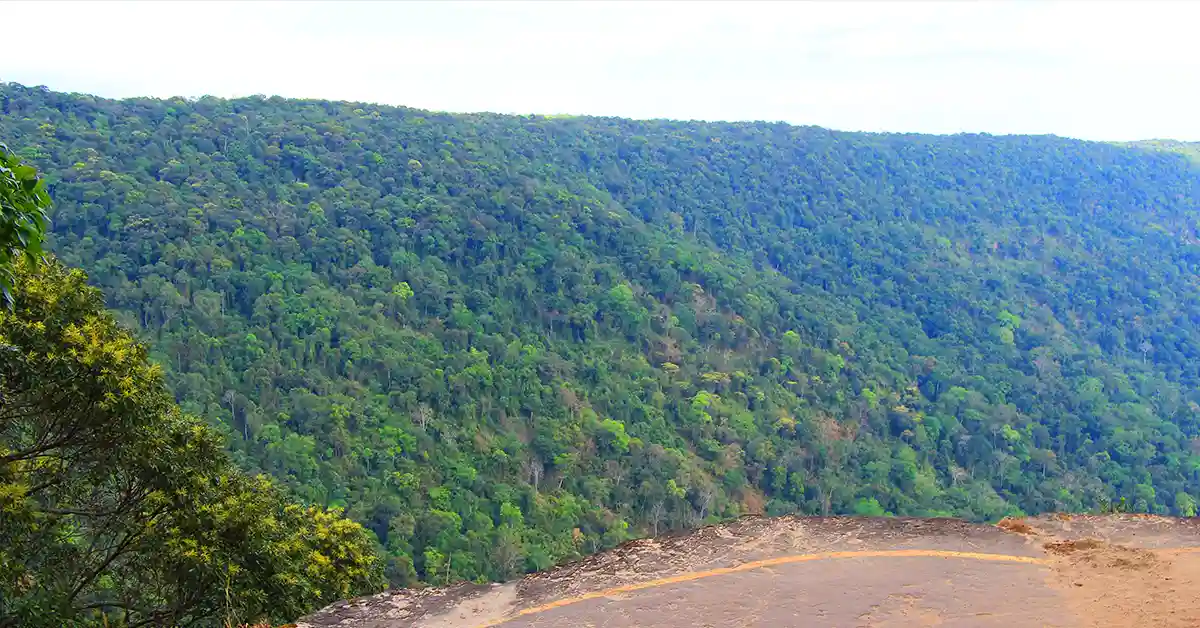
The absolute best time to visit Khao Yai is during the cool, dry season from November to February, when crisp mountain breezes average 15°C to 22°C (59°F–72°F) and rain is minimal. For spectacular, roaring waterfalls, the late rainy season from September to October offers lush rainforest landscapes and peak water flow. Wildlife enthusiasts keen on spotting wild Asian elephants, exotic hornbills, and gibbons will find great opportunities year-round, though the dry months offer the best trekking conditions. To make the most of your mountain getaway, secure your hassle-free safari, park passes, and expert guided trek with an immediate Tour Booking today!
Experience the Changing Seasons of Thailand’s Natural Paradise
Just a three-hour drive from the tropical heat of Bangkok, Khao Yai National Park stands as a refreshing, misty haven. As Thailand’s oldest protected sanctuary and a recognized UNESCO World Heritage site, this expansive wilderness spans over 2,000 square kilometers of dense rainforests, rolling grasslands, and dramatic peaks.
Because Khao Yai sits on a high plateau, its microclimate differs significantly from the surrounding lowlands. Understanding the weather patterns is essential to unlocking the ideal tropical getaway. Whether you are seeking crisp morning weather for glamping, vibrant greenery for photography, or golden light for spotting wild elephant herds, pin-pointing the best time to visit Khao Yai ensures an unforgettable adventure.
H2: Khao Yai Through the Seasons: Weather Breakdown
Khao Yai experiences three distinct weather seasons each year, every single one offering a unique perspective of the park’s vibrant ecosystem.
1. The Cool Season (November – February): High Peak Season
- Average Temperature: 15°C to 22°C (59°F – 72°F)
- Atmosphere: Crisp, clear blue skies, dry trails, and chilly nights.
- Highlights: This is undeniably the most comfortable period for outdoor activities. The air feels genuinely cool, making morning jungle trekking refreshing rather than exhausting. European-style flower gardens, vineyards, and open-air cafés along Thanarat Road bloom into full glory.
- Travel Tip: Because this is peak season, hotels and park entry slots fill up fast—especially on weekends and public holidays. Early booking is essential!
2. The Hot Season (March – May): Wild Wildlife & Blooming Flowers
- Average Temperature: 25°C to 32°C (77°F – 90°F)
- Atmosphere: Warm, sunny afternoons with pleasant mountain breezes at higher elevations.
- Highlights: While warmer than the winter months, Khao Yai remains significantly cooler than central Bangkok. Wildlife tends to congregate around prominent watering holes and salt licks, making it easier for expert guides to track elephants, gaurs, and wild deer.
3. The Rainy / Green Season (June – October): Cascading Waterfalls
- Average Temperature: 20°C to 28°C (68°F – 82°F)
- Atmosphere: Lush emerald foliage, dramatic fog, and afternoon tropical showers.
- Highlights: If you want to witness Haew Suwat Waterfall (made famous by The Beach) and the thunderous Haew Narok Waterfall at their full power, this is the prime window. The park becomes a vibrant green paradise filled with orchids, colorful fungi, and active bird species like the Great Hornbill.
Which One Should You Choose? (Based on Lodging & Trip Duration)
Aligning your travel timing with your accommodation preferences and overall itinerary duration will dramatically enhance your experience.
Option A: The Cool Season Glamping & Vineyard Retreat
- Best For: Couples, photo enthusiasts, and travelers looking for luxury glamping or European-style villa stays.
- Ideal Months: December and January.
- The Vibe: You can sip local wine at PB Valley, snap photos at Primo Piazza, and wrap up near a cozy campfire under a starry sky without sweating through your clothes.
Option B: The Green Season Jungle Explorer
- Best For: Hikers, nature photographers, and adventurous travelers seeking fewer crowds.
- Ideal Months: Late August to October.
- The Vibe: Stay in an eco-lodge bordering the park boundary. You will experience roaring waterfalls surrounded by glowing mossy canopies, followed by an exhilarating ranger-guided search for wild animals.
Unlocking the Ultimate Khao Yai Wildlife Experience
No matter when you visit, entering the forest with an experienced naturalist guide reveals hidden natural wonders you would otherwise miss.
Beyond daylight trekking, Khao Yai is famous for its official Night Safari Tour. Operated in open-air safari trucks equipped with animal-friendly spotlights, rangers take you along winding jungle routes after dark to observe nocturnal life:
- Majestic wild Asian elephants feeding along savannah glades.
- Civets, porcupines, and slow lorises foraging in tree branches.
- Sambar and barking deer grazing beneath misty meadows.
Because daily entry permits and vehicle allocations are strictly regulated by park authorities to protect wildlife habitats, tours often sell out during the peak months.
Secure Your Unforgettable Khao Yai Tour Today
Avoid travel hassle, long ticketing queues, or missing out on licensed ranger guides. Reserving your custom private tour and safari package in advance ensures seamless door-to-door transport, park entry fees, and guaranteed spots on guided wilderness treks.
Ready to explore Thailand’s stunning natural sanctuary? Reserve your certified guide, comfortable transfer, and night safari today!
Frequently Asked Questions
1. What is the overall best time to visit Khao Yai? The overall best time to visit Khao Yai is between November and February when the weather is cool, dry, and comfortable for hiking and sight-seeing.
2. Is Khao Yai cold at night during the winter months? Yes, temperatures at higher elevations inside the park can drop down to 10°C–12°C (50°F–53°F) during December and January, so bringing a jacket or sweater is recommended.
3. When is the best time to see waterfalls in Khao Yai? The late rainy season from September to October offers maximum water volume, making waterfalls like Haew Narok and Haew Suwat look spectacularly powerful.
4. Can I see wild elephants in Khao Yai year-round? Yes, wild elephants live in the park year-round. However, spotting them is easiest during guided evening night safaris or during the dry season around salt licks.
5. Is it good to visit Khao Yai during the rainy season? Visiting between June and October means lush green scenery, fewer crowds, and cheaper room rates. Rain usually falls in short afternoon bursts rather than lasting all day.
6. How many days should I spend in Khao Yai? A 2-day, 1-night trip or a 3-day stay allows enough time to enjoy jungle trekking, waterfall visits, local vineyard tours, and a night safari without feeling rushed.
7. How far in advance should I make a Tour Booking for peak season? For visits between November and January, it is recommended to complete your Tour Booking at least 2 to 4 weeks in advance to secure prime accommodations and English-speaking guides.
8. Is Khao Yai crowded during public holidays? Yes, holiday weekends during December and January attract many travelers from Bangkok. Planning a mid-week visit offers a much quieter wilderness experience.
9. Are the flower gardens open all year in Khao Yai? Major flower parks like Hokkaido Flower Park and Floryday Khaoyai bloom best during the cool season from November through February.
10. What clothes should I pack for a Khao Yai trip? Pack breathable cotton clothing and sturdy walking shoes for daytime activities, along with a light jacket or fleece sweater for chilly cool-season evenings.